If you're looking at your company's balance sheet and wondering where to find short-term debt, the answer is straightforward: it sits under Current Liabilities. But that simple answer is just the starting point. Where it's placed tells you almost nothing about the story behind that number, the pressure it puts on your cash flow, or the silent risks it might be hiding. After years advising small and mid-sized businesses, I've seen too many owners treat short-term debt as just another line item, only to face a liquidity squeeze when payments come due. Let's cut through the accounting basics and talk about what that placement really means for your business's survival and growth.
What You'll Learn in This Guide
The Simple Answer (And Why It Matters)
Officially, short-term debt—any loan or obligation due for repayment within one year or the company's operating cycle, whichever is longer—is recorded as a current liability. This section sits right at the top of the liabilities side of your balance sheet, above long-term debt and equity.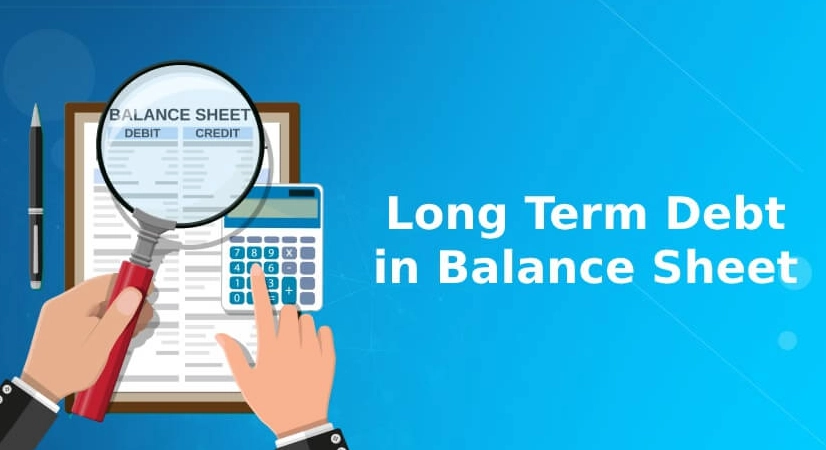
The logic is all about timing. Current liabilities are claims against your assets that need to be settled soon. By grouping short-term debt here, the balance sheet instantly communicates a key piece of information to investors, lenders, and you: this money is owed, and it's owed quickly. It's a direct marker of near-future cash outflow.
Here's the subtle point most guides miss: the label "current" is based on the due date, not the original loan term. A five-year loan doesn't magically become long-term forever. The portion of its principal due within the next twelve months must be carved out and moved from "Long-Term Debt" to "Current Portion of Long-Term Debt" under Current Liabilities. I've reviewed financials where this reclassification was missed, making the company look much more liquid than it actually was—a red flag for any seasoned analyst.
This placement isn't just bookkeeping. It directly feeds into the most critical financial ratios that everyone scrutinizes.
Common Types of Short-Term Debt You'll Find There
"Short-term debt" is an umbrella term. On a well-prepared balance sheet, you'll often see it broken down into specific lines. Knowing these helps you understand the nature of the obligation.
| Type of Short-Term Debt | What It Typically Is | Why the Specifics Matter |
|---|---|---|
| Notes Payable | Formal bank loans or promissory notes due within a year. Often used for working capital. | Usually carries explicit interest. Missing a payment here damages your banking relationship fast. |
| Current Portion of Long-Term Debt | The chunk of a mortgage, equipment loan, or other long-term debt that must be paid in the next 12 months. | It's a fixed, non-negotiable cash drain. You must budget for this separately from operational expenses. |
| Lines of Credit (Drawn Amount) | Money you've actually taken from a revolving business line of credit. | Extremely flexible but often has variable rates. The balance can swing wildly month-to-month. |
| Commercial Paper | Unsecured, short-term IOUs issued by large corporations to fund immediate needs. | For bigger companies. Signals access to capital markets but requires top-tier credit. |
| Accounts Payable | Money owed to suppliers for goods/services already received. Technically a short-term obligation. | Often interest-free if paid on time. Managing this well is free financing; mismanaging it kills supplier trust. |
One client of mine, a thriving bakery, had a beautiful profit number. But their balance sheet showed a ballooning "Notes Payable" line. They'd taken a short-term loan to buy a specialty oven, planning to pay it off with holiday season sales. The debt was correctly placed under current liabilities. The problem? They hadn't cross-referenced the loan's lump-sum due date with their detailed cash flow forecast. The placement was correct, but the strategic alignment was off. We had to scramble to refinance it.
Beyond Location: The Real Impact on Your Business
So you've found the number. Now what? The real value lies in analyzing its relationship with other parts of the balance sheet.
Liquidity Ratios: The Canary in the Coal Mine
Short-term debt is the key ingredient in liquidity ratios, which measure your ability to cover immediate obligations.
- Current Ratio (Current Assets / Current Liabilities): A quick health check. Below 1.0 means your short-term debts exceed the assets you could quickly use to pay them. That's a crisis. But a ratio that's too high (like over 3.0) might mean you're not using assets efficiently.
- Quick Ratio ( (Current Assets - Inventory) / Current Liabilities): The stern test. It removes inventory (which can be hard to sell quickly) from the equation. If your short-term debt is high and your quick ratio is low (under 1.0), you're walking a tightrope without a net. You're reliant on selling stock or collecting receivables perfectly on time to pay your loans.

The most common mistake I see? Business owners fixate on the total amount of short-term debt alone. A $100,000 balance might be fine for a company with $500,000 in cash and fast-turning receivables. The same $100,000 is a disaster for a company with $20,000 in cash and slow-paying customers. Always analyze it relative to your liquid assets.
The Debt Covenants Trigger
This is where theory meets a painful reality. Many loan agreements contain covenants—rules tied to your balance sheet ratios. A common one is maintaining a minimum current ratio, say 1.25. If your short-term debt rises or your cash drops, breaching that covenant can let the lender call the loan due immediately or increase rates. I've had to guide clients through covenant breach negotiations; it's stressful and costly. Monitoring your short-term debt's impact on these ratios is non-negotiable.
How to Manage Short-Term Debt Like a Pro
Treating short-term debt as a static number is a recipe for trouble. Proactive management turns it from a risk into a tool.
My First Rule: Never use short-term debt to finance long-term assets. That bakery oven loan? It was for an asset that would last 10 years but debt due in 18 months. The timing mismatch creates constant refinancing pressure. Use long-term debt for long-term assets, and short-term debt (like a line of credit) for inventory or receivables gaps that will convert to cash quickly.
Here’s a practical approach I use with clients:
1. The Weekly Cash-to-Debt Scan. Don't wait for the monthly balance sheet. Every week, compare your cash balance + expected receivables for the week against all short-term debt payments due in the next 30 days. This gives you an operational, real-time view of coverage.
2. Negotiate Before You Need To. If you have a good relationship with your bank and see a lump sum coming due, start the conversation about renewal or extension 90 days out. Lenders are far more amenable when you're not desperate.
3. Stagger Your Maturities. Avoid having all your short-term debt come due at the same time (often at year-end or quarter-end). When possible, work with your lender to set different maturity dates throughout the year to smooth out cash demands.
4. Audit the Cost. Know the effective annual interest rate on every short-term facility. That "low-rate" credit card financing for equipment might have hidden fees that make it more expensive than a traditional term loan. Compare the total cost of capital.
One manufacturing client had three separate lines of credit, all maxed out and all renewing in December. We spent a quarter consolidating and refinancing two of them into a longer-term facility with a summer maturity. This simple act of staggering their debt wall removed a huge year-end stress point and gave them breathing room to negotiate better terms.
FAQ: Expert Answers to Your Tricky Questions
This means your current ratio is below 1.0, signaling a potential liquidity crisis. The accounting is fine—the debt is still correctly listed under current liabilities—but the business implication is severe. You likely cannot pay all your upcoming bills with the liquid assets you have. Immediate action is required: accelerate receivables, negotiate extended payment terms with suppliers, arrange an emergency credit line, or consider selling non-essential assets. Ignoring this is the fastest path to insolvency.
Match the loan's term to the life of what you're financing. Use this simple rule: if you're buying inventory you'll sell in 60 days or covering a seasonal receivables gap, short-term debt (like a line of credit) is appropriate. If you're buying a vehicle, machinery, or real estate that will generate value over 5+ years, use long-term debt. The major error is using a 12-month note to buy a 7-year asset, which forces you into a risky refinancing game every year.
I go straight to the loan agreements or amortization schedules in the supporting notes. I need to verify two things the balance sheet summary doesn't show: the exact maturity dates and the associated debt covenants. I've found situations where a "short-term loan" was actually a long-term loan in default, making the entire balance immediately due—a fact not apparent from the main balance sheet line. Always read the footnotes.
Technically, yes, through methods like securitization, but for most small and medium businesses, these are complex and costly. A more practical and ethical approach is to genuinely reduce the debt through improved operations or refinance a portion into a long-term instrument. Artificially manipulating the balance sheet to "window dress" ratios before a review is often spotted by experienced lenders and destroys credibility. Focus on real financial health, not accounting cosmetics.
Absolutely. For calculating the current and quick ratios, all current liabilities are included—that means accounts payable, accrued expenses, taxes payable, and the current portion of long-term debt, along with formal short-term loans. Many owners forget this and think only of bank debt. A company can have zero bank loans but a massive accounts payable balance, creating the same liquidity pressure. You must manage your total current liabilities, not just the line labeled "debt."
Understanding where short-term debt goes on the balance sheet is Accounting 101. But understanding how that number breathes, grows, and interacts with every other part of your financial world is the master class in business survival. Don't just locate it. Interrogate it. Model its future impact. Manage it with the same intensity you manage your sales pipeline. Because when cash is tight, that line under Current Liabilities isn't just a number—it's the countdown clock for your business, and you need to know exactly how much time is left on it.
Reader Comments